The United Roman-Ruthenian Church is an autocephalous Apostolic Church—the Eastern Roman Church with Latin heritage—founded in AD 33 and continuing through unbroken Apostolic and jurisdictional succession. Its present united institutional form was consolidated in 2023 through the union of the former Anglican Patriarchate of Rome and the Gallo-Russo-Byzantine Catholicate.
The Holy Apostolic See exercises Latin Orthodox patriarchal authority within its jurisdiction and preserves the Petrine ecclesiastical and temporal patrimony transmitted through the Roman-Ruthenian succession.
The People of the United Roman-Ruthenian Church
Around the world · Across the years

Explore the Church and State
Principal Portals and Institutions
Continuity and unity
The Custodian of Apostolic Continuity and Orthodox-Catholic Unity
The United Roman-Ruthenian Church is a contemporary expression of an ancient Apostolic inheritance. It traces its succession through Rome, Constantinople, Antioch, Jerusalem, and their historic extensions into Rus’ and the Americas. These inherited lines and constituent jurisdictions were consolidated in 2023 under the present united institutional structure of the Church, preserving continuity of faith, ecclesiastical order, and sacramental life.
Under the patronage of Saints Peter, Andrew, Stephen, and Mark, the Holy Apostolic See embodies both the Eastern and Western dimensions of this inheritance. Through Apostolic succession, ecclesial grants, and formal recognitions, the Church received sacred orders, jurisdiction, autocephaly, and custodial responsibility for the Petrine inheritance within the Latin Orthodox tradition.

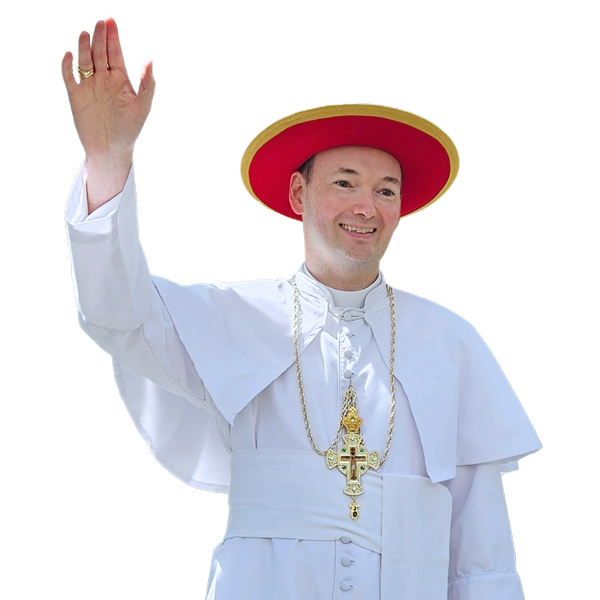
Pope Radislav I of Rome-Ruthenia was elected Anglican Patriarch of the Anglican Patriarchate of Rome in 2011. In 2014, the papal title and office were formally conferred upon him as Prince-Bishop of Rome-Ruthenia, together with full papal authority within his jurisdiction.
The Anglican Patriarchate subsequently became one of the constituent jurisdictions united in the present United Roman-Ruthenian Church in 2023. Upon the completion and full public manifestation of the succession in 2025, the transitional designation Coadjutor of Rome was discontinued and the designation Supreme Pontiff entered formal use. The development and documentary basis of the office are presented in the Church’s account of the Roman-Ruthenian Papacy.
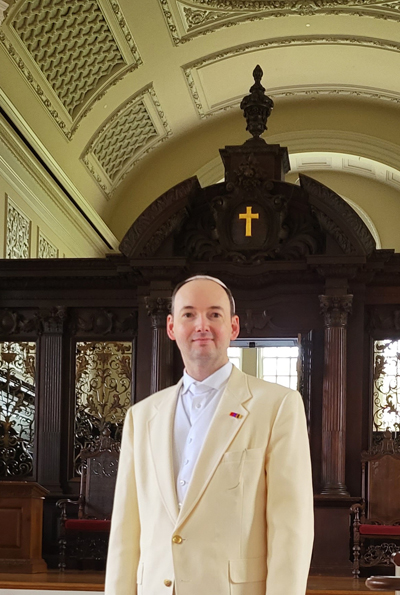
The Roman-Ruthenian Church is the guardian of Latin Orthodoxy, the bridge between East and West, and the visible head of the Latin tradition in fidelity to the Orthodox and Catholic faith.
A Church, a State, a People
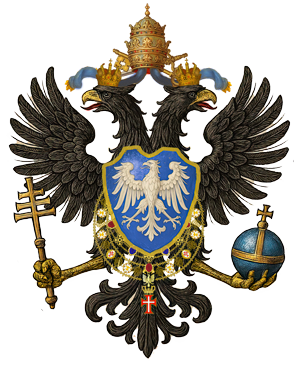
The Pontifical Imperial State of Rome-Ruthenia, a non-territorial ethno-religious nation, complements the Church’s mission. It preserves the cultural, legal, and spiritual heritage of the Roman Empire, the Holy Roman Empire, Old Rus’, and the Holy Apostolic See.
The Pontifical Imperial State is the Church’s unified, non-territorial titular and temporal expression. Its present name brings inherited historic dignities and patrimonies—including the former Pontifical State and the Kingdom of Ruthenia—under one name for clarity, unity, and simplicity. This name expresses and consolidates the Church’s continuing Roman-Ruthenian inheritance.
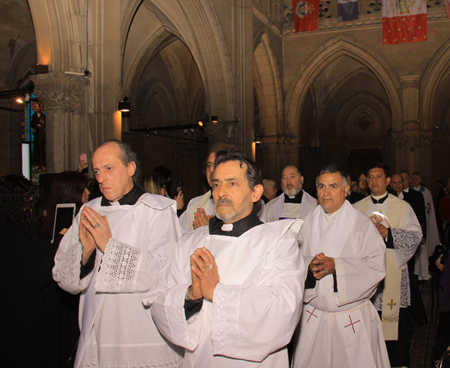
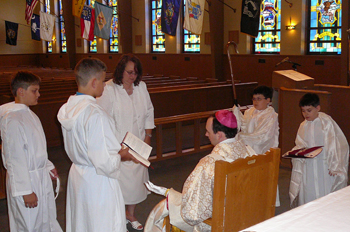
The Church’s mission is custodial, protecting the undivided Church’s theological, liturgical, and cultural legacy. It embraces conciliar Orthodox Christianity, integrating East and West in fidelity to the Apostolic tradition.
The Church offers itself as a sanctuary of continuity for those dislocated by theological rupture, ecclesiastical scandal, or spiritual displacement.
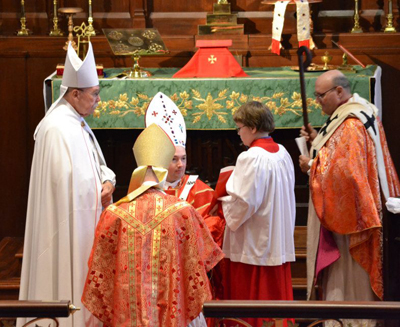

A living Apostolic inheritance
A Voice for the Faithful
To the disillusioned, the traditional, and the faithful, clergy and laity alike, the United Roman-Ruthenian Church offers this message: the Apostolic Church is not lost. The truth endures.
— Radislav I of Rome-Ruthenia
Apostolic inheritance
Immediate Patriarchal Ancestors

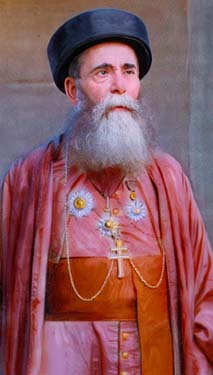
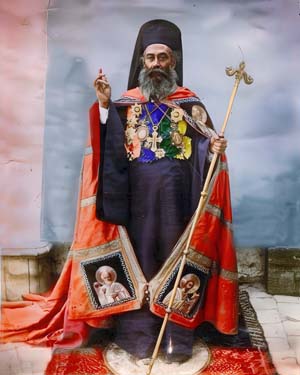
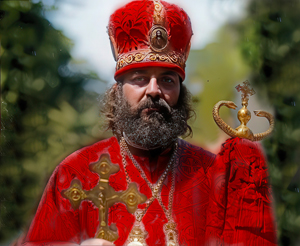
The Church is a derivative patriarchate of these Russian, Syrian, Greek, and American patriarchates, as well as Rome as rightful temporal successor of St. Peter. St. Aftimios is one of the two Holy Fathers of the Holy Apostolic See.
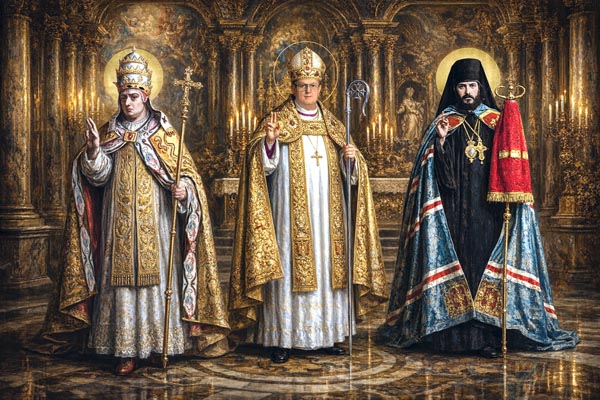
L–R: Pope St. Leo X; St. Edwin Caudill, Apostolic Founder and Confessor; St. Aftimios Ofiesh.
Image Copyright 2026 United Roman-Ruthenian Church. All Rights Reserved.
Verified official presence
Official Websites
The websites listed below constitute the official online presence of the Roman-Ruthenian Church and State.
Church and State
Roman-Ruthenian Pope

Prayerful stewardship
Support the Heart of the Church
Help sustain a living Apostolic inheritance through spiritual care, service, preservation, publication, formation, and international engagement.
Make an Offering